When the Product Doesn’t MatterLessons from a European rail journey (Part 5)
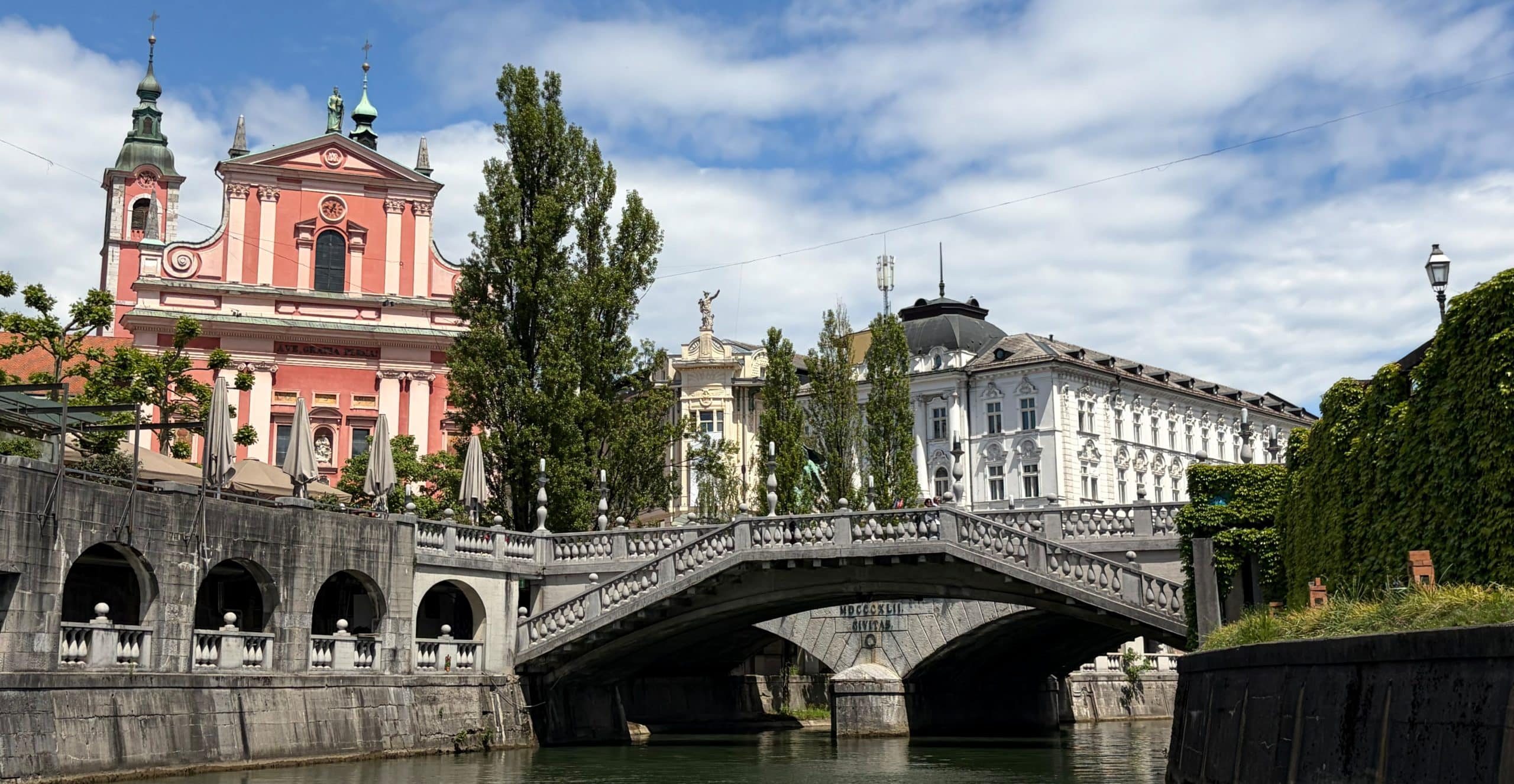
One afternoon in Ljubljana, my wife and I decided we fancied a boat trip. Nothing complicated. Just a pleasant way to see the city from a different perspective and spend an hour on the water. We arrived at the riverside ticket booths and found ourselves faced with a choice.
Or what appeared to be a choice.
There were two operators selling tickets from stalls next to each other. The boats looked the same. The route looked the same. The duration looked the same. The price was definitely the same. As far as I could tell, there was no meaningful difference between the two offers. One salesperson sat behind their desk waiting for customers to make a decision. The other stepped forward, started a conversation, asked a few questions, maintained eye contact and confidently explained the experience.
Guess which one got our business. It wasn’t even a close-run thing.
What’s interesting is that I don’t think the second salesperson uncovered some hidden need. There wasn’t a complex discovery process. They didn’t reveal a compelling differentiator that the competitor lacked. They simply created momentum, yhey engaged, they made a decision feel easier.
And when human beings are faced with uncertainty, even small uncertainty, that’s often enough. We like to believe our purchasing decisions are entirely rational. Particularly in B2B. We tell ourselves we evaluate features, compare offerings and assess value objectively.
Sometimes that’s true. But sometimes the products are genuinely similar. Sometimes there isn’t a meaningful difference. And when that happens, something else takes over. The buying experience itself becomes the differentiator.
I’ve sat through countless discussions over the years where businesses become obsessed with proving their solution is different. Different features, different processes, different terminology, different methodology, different slides.
Occasionally those differences matter. Often they don’t.
Sometimes customers are looking at two or three perfectly capable suppliers and struggling to separate them. At that point, pretending there is a vast gulf between the options can actually make things worse. Customers usually know when the differences are marginal.
The better approach is often to focus on what is real. Your responsiveness, your confidence, your ability to make the buying process straightforward, your ability to create trust, your ability to help someone feel comfortable making a decision.
Those things matter. More than many organisations like to admit.
The boat trip taught me a simple lesson. When there is genuine differentiation, sell it. When there isn’t, don’t invent it.
Instead, make sure your salespeople know how to engage, build confidence and create momentum. Because sometimes the biggest competitive advantage isn’t the product.
It’s the person selling it.